(editor's note: each Monday morning, I will review some of the ways I saw God in action over the past week. Although I live in Omaha, NE, I travel across the country, and get a chance to see how God moves around on a pretty regular basis. I can't tell if this will be helpful to anyone but me.)
One of the highlights of the week is INGLORIOUS PASTERS, a weekly podcast that is just gettting started. Myself, along with Teaching Elder Mark Davis of Heartland Presbyterian Church, Clive IA, are starting up a new ministry on the internet. IP--with its direct borrowing from Quentin Tarantino's movie Inglorious Basterds--is a podcast about current theology, historical theology, and biblical theology. In short, it's about theology. I have to say, Mark is truly one of the greatest gifts to my life. We've known each other for about 8 years now, and I continue to learn from him every time we talk or I read some of his stuff. The guy thinks about things, and he thinks well and from a theological point-of-view. He and I just about agree on everything, and where we differ is some of the most interesting places of conversation. He almost always believes in the best of everyone else, and the worst about himself...I am not burdened with such modesty. You can catch samples of our work on our Facebook page--and as we get the hang of it-- we hope to branch out in distribution.
This past week we recorded some conversations on "Predestination: It Could be Worse." As a Lutheran I have had exactly zero conversations about that topic over the years, as we are not too big on that framing of the concept. (We tend to use "election" or "vocation" as ways to get to talk about God's initial, or prevenient, grace.) But I did learn that I love Psalm 8 a lot. Probably for the "bulwark."
My second favorite part of the week came in finding a YouTube video of the Lutheran theologian Joseph Sittler ("The Debonair Giant"). Recorded over 30 years ago, his insights were refreshing to hear, as so much of what he said then we try to say now, and so much more inelegantly. I never had a class from him (he was retired fully when I came along), but we did take in a few lectures on the Pentateuch together. (He was auditing, I think.) The world he lived in no longer exists, and the style and type of theology he knew (he calls himself a "classic Christian" which is a term nowadays we couldn't even begin to wrap our minds around) no longer is in vogue...but what he knew? Well, truth never goes out of style, even if it is hidden.
Lastly, I saw some mission in action. You can't do anything with youth these days without some type of "servant event." Getting kids and young adults out into the world to serve is practically a requirement for youth events these days. So I saw some kids tie-dye some shirts. In and of itself, nothing too spectacular, however, they were tie-dyed for other kids. In other words, somebody created something and gave it away. This is God in action.
You see, if I send a group of kids to go paint your house, there isn't too much I am asking of the kids. They are basically free labor for a project to be done. Although there may be a bit of creativity in how one paints a house, the colors, the style, everything about it is determined by everyone BUT the kids. They are just the people who paint. You can see why "mission-fatigue" sets in...it's not really mission, it's free labor and people get tired from labor. Painting a house may be missional, but it is not because you paint, but because you share in the life of someone else while you are painting. To end a project with a half-painted house and a new friend is way more missional that to end a project with a fully painted house and not even knowing the home-owners name. Habitat for Humanity is NOT mission--it's labor, and even Karl Marx would know that.
Anyhow, I am sitting in worship and some kids come up with a story about how they went and met the kids through the Boys and Girls Club. After a day they left, went and made the kids they had met a tie-dyed tshirt, and come back for another day of work and play. That's mission. The shirts were made by the kids for the kids because of the kids. That's how God works. Those shirts were gifts. God's mission--contrary to popular belief--isn't just about getting things done, God's mission is getting to know the strangers name.
May your tables be full, and your conversations be true.
Your Blog Steward
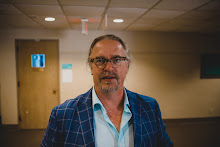
- Scott Frederickson
- I am more and more convinced that most congregations die from a staggering lack of imagination. Let's change that. Let's imagine a creative future with God and each other together. Drop me a line on email or leave a comment if you have thoughts on God, Jesus, congregations, the church or whatever.... I look forward to our conversations.
Monday, July 23, 2012


Thursday, July 19, 2012
Missional Church and Convergence Christiantiy, part IV
(see parts I-III below)
To finish up this little overview of some of the promising work I see in convergence Christianity from my perspective as a missional church theologian, I want to highlight an intriguing metaphor from convergence Christianity and to offer a prayer. In neither case do I envision convergence Christianity to be lacking or wanting, but rather I am hopeful for where it seems to be flowing. There is no question to my mind that I would want to float in that water; whether folks in convergence Christianity would want me to? I cannot say...
The metaphor I have noticed that convergence Christianity uses which seems to have a great future is "wilderness." Wilderness, and all that it implies, seems to be key to any understanding of convergence. The first thing to note about the wilderness metaphor is that is cannot be controlled by humans. The second humans gain control of anything it ceases to be wilderness. Convergence Christianity holds that God, not human capacity and ability, creates the world in which we live, move, and have our being. From our human perspective, since we do not have control, this looks like wilderness.
So whether the venture is the Wild Goose Festival in the actual forests of North Carolina, or into the internet such as Darkwood Brew, convergence Christianity seems to happen in the wilderness. Dr. Elnes makes a great point in highlighting the importance of wilderness to the history of Judaism and Christianity, and he carries that metaphor into his current ministry. I think this shows great promise.
One thing I have learned over the past 25 years is that the world seems more wild each and every year. Sometimes, when I am out in some of the remotest places of this country, life seems more organized and tame than when I am here at home in the city living with about 20,000 students and another 1 million or so of my closest friends. The world seems crazy, at times even threatening, even more so dangerous...and convergence Christianity seems to say--well, that's where we meet. In the wilderness, because that's where we live...Taking seriously the world we live in (this is the deep appreciation of creation), and engaging the wildness of it all, still finding God and faith in that wildness, and then using that wildness to create new realities, new possibilities, and new relationships...well, that wilderness seems to be a great place to meet. A great place to have a prairie table.
My prayer for convergence Christianity is that is stays of God. Whenever we engage is convergence we engage from our gracious faith and gifts from God, to God, and with God. The emergent Church stuff of a few years ago never did much for me because it always seemed to be about God, rather than of God. That is, it made God the object of all the new and creative emergent stuff, it rarely seemed to get around to understanding that God was the author, painter, sculptor, talker, leader, sharer, or emerger...it was alway about how we humans could best express ourselves to God, rather than how we can understand how God expresses God's life and being to us. I pray convergence Christianity stays of God, that it continues to live and breathe as convergence because God is convergence. And that idea, seems solid to me...
May your tables be full, and your conversations be true.
To finish up this little overview of some of the promising work I see in convergence Christianity from my perspective as a missional church theologian, I want to highlight an intriguing metaphor from convergence Christianity and to offer a prayer. In neither case do I envision convergence Christianity to be lacking or wanting, but rather I am hopeful for where it seems to be flowing. There is no question to my mind that I would want to float in that water; whether folks in convergence Christianity would want me to? I cannot say...
The metaphor I have noticed that convergence Christianity uses which seems to have a great future is "wilderness." Wilderness, and all that it implies, seems to be key to any understanding of convergence. The first thing to note about the wilderness metaphor is that is cannot be controlled by humans. The second humans gain control of anything it ceases to be wilderness. Convergence Christianity holds that God, not human capacity and ability, creates the world in which we live, move, and have our being. From our human perspective, since we do not have control, this looks like wilderness.
So whether the venture is the Wild Goose Festival in the actual forests of North Carolina, or into the internet such as Darkwood Brew, convergence Christianity seems to happen in the wilderness. Dr. Elnes makes a great point in highlighting the importance of wilderness to the history of Judaism and Christianity, and he carries that metaphor into his current ministry. I think this shows great promise.
One thing I have learned over the past 25 years is that the world seems more wild each and every year. Sometimes, when I am out in some of the remotest places of this country, life seems more organized and tame than when I am here at home in the city living with about 20,000 students and another 1 million or so of my closest friends. The world seems crazy, at times even threatening, even more so dangerous...and convergence Christianity seems to say--well, that's where we meet. In the wilderness, because that's where we live...Taking seriously the world we live in (this is the deep appreciation of creation), and engaging the wildness of it all, still finding God and faith in that wildness, and then using that wildness to create new realities, new possibilities, and new relationships...well, that wilderness seems to be a great place to meet. A great place to have a prairie table.
My prayer for convergence Christianity is that is stays of God. Whenever we engage is convergence we engage from our gracious faith and gifts from God, to God, and with God. The emergent Church stuff of a few years ago never did much for me because it always seemed to be about God, rather than of God. That is, it made God the object of all the new and creative emergent stuff, it rarely seemed to get around to understanding that God was the author, painter, sculptor, talker, leader, sharer, or emerger...it was alway about how we humans could best express ourselves to God, rather than how we can understand how God expresses God's life and being to us. I pray convergence Christianity stays of God, that it continues to live and breathe as convergence because God is convergence. And that idea, seems solid to me...
May your tables be full, and your conversations be true.
Tuesday, July 17, 2012
Convergence Christiantiy and the Missional Church, part III
All right. We have some understanding of what I mean by missional church. (The previous two posts below will help remind you.) Now, what about this convergence Christianity? Most of its impulses I really like; its has an unused metaphor that shows great potential; and I have one prayer request as well.
The impulses of Convergence Christianity take seriously those deep principles I see in the missional Church. That "deep appreciation for the world" is at the heart of what Dr. Elnes is calling "Convergence Christianity." What is allowing Christians, God-fearers, and others to bind together is a way of being and living in the world that appreciates it for God's creation that it is. Those, for example, who put aside differences in biblical interpretation, in polity and structure, and in previous generations' animosities often find themselves working together because they appreciate the world. Working to build relationships around people who are abused, taken advantage of, or from places of systemic injustice these convergent Christians make a huge difference in how people live, and in some cases, survive. If you don't appreciate the world, it's tough to get up the energy to do that kind of work.
In order to help people clean water (Have you seen pictures of the Jordan River recently? Anybody could walk across that sludge these days.) you have to appreciate that water can be clean. You respect creatures, not only as a source of food, but also that they make our world beautiful, graceful, and elegant. I have seen a lot of hunters over the past 20 years change why they hunt. Most of us aging hunters have changed from seeing the point of hunting as "killing" to seeing the point of hunting as caring for creation. And it's the younger generation of hunters who are leading the way. Even those hunters, like Ted Nugent, for whom killing is still a visceral experience don't hunt because of that experience. They hunt for a lifestyle (more organic, closer to nature), they hunt for a religious experience (you would be amazed at the number of spiritual references there are in your average hunting magazine), they hunt because they appreciate the world. Conservation organizations like the Rocky Mountain Elk Foundation, one of whose founders was a Lutheran pastor, work to make hunting seen as a way to appreciate the world rather than a way to degrade and abuse it. Those kinds of convergences are the future of our life together.
And convergent Christians also display a "deep trust in the power of forgiveness." Frank Schaeffer, one of the founders of the Religious Right in this country 25 years ago now regularly works from a convergent perspective. His repentance for the evils he heaped upon the world through this work as a producer of right-wing propaganda about Christianity comes from a deep trust in forgiveness. Not only that he has repented, but that others, such as Dr. Elnes who despised him at one time, will forgive. The convergent Christians I see all start out with a bit of trepidation, as they know this will not be easy, there are wrongs to apologize for, they are atonements to be made, there are words of healing that must be said. If people who hated each other are ever going to work and believe together about anything, trusting in the power of forgiveness does not seem optional.
Lastly, convergence Christianity holds to the "deep engagement with the stranger." Not everybody is going to be friends, but all strangers can have a place at the table. Maybe--down the road--you become "aquaintances" or something like that, but to engage the stranger is a key to making a difference in the lives of those who are suffering. Relationships are not about dominating a person so that they agree with you or become like you. Relationships are trusting, that even though they are not made of perfect people, they are still a more perfect way to live. My colleague Mark Davis has been taking people from his congregation down to a congregation in El Salvador for years. He notes, that now they have a real relationship. His congregation can even chastise the El Salvadoran congregation if it believes it is not holding up its end of the relationship. Conversely, the folks from El Salvador can do the same with those of Des Moines. (Mark is a teaching elder at Heartland Presbyterian Church in Clive, IA outside of Des Moines.) Mark's congregation has not become El Salvadoran any more than the Salvadorians have become Iowans...but they do have a relationship, they are companions, some are friends, but in the end they are still strangers to each other.But strangers who are engaged.
Holding onto those three principles of the missional church, I can easily see where Convergent Christianity can be a partner in the ministries that I seek to do. There is still more however...I am excited about a metaphor, and a prayer I hope convergence Christianity can live.
May your tables be full and your conversations be true.
The impulses of Convergence Christianity take seriously those deep principles I see in the missional Church. That "deep appreciation for the world" is at the heart of what Dr. Elnes is calling "Convergence Christianity." What is allowing Christians, God-fearers, and others to bind together is a way of being and living in the world that appreciates it for God's creation that it is. Those, for example, who put aside differences in biblical interpretation, in polity and structure, and in previous generations' animosities often find themselves working together because they appreciate the world. Working to build relationships around people who are abused, taken advantage of, or from places of systemic injustice these convergent Christians make a huge difference in how people live, and in some cases, survive. If you don't appreciate the world, it's tough to get up the energy to do that kind of work.
In order to help people clean water (Have you seen pictures of the Jordan River recently? Anybody could walk across that sludge these days.) you have to appreciate that water can be clean. You respect creatures, not only as a source of food, but also that they make our world beautiful, graceful, and elegant. I have seen a lot of hunters over the past 20 years change why they hunt. Most of us aging hunters have changed from seeing the point of hunting as "killing" to seeing the point of hunting as caring for creation. And it's the younger generation of hunters who are leading the way. Even those hunters, like Ted Nugent, for whom killing is still a visceral experience don't hunt because of that experience. They hunt for a lifestyle (more organic, closer to nature), they hunt for a religious experience (you would be amazed at the number of spiritual references there are in your average hunting magazine), they hunt because they appreciate the world. Conservation organizations like the Rocky Mountain Elk Foundation, one of whose founders was a Lutheran pastor, work to make hunting seen as a way to appreciate the world rather than a way to degrade and abuse it. Those kinds of convergences are the future of our life together.
And convergent Christians also display a "deep trust in the power of forgiveness." Frank Schaeffer, one of the founders of the Religious Right in this country 25 years ago now regularly works from a convergent perspective. His repentance for the evils he heaped upon the world through this work as a producer of right-wing propaganda about Christianity comes from a deep trust in forgiveness. Not only that he has repented, but that others, such as Dr. Elnes who despised him at one time, will forgive. The convergent Christians I see all start out with a bit of trepidation, as they know this will not be easy, there are wrongs to apologize for, they are atonements to be made, there are words of healing that must be said. If people who hated each other are ever going to work and believe together about anything, trusting in the power of forgiveness does not seem optional.
Lastly, convergence Christianity holds to the "deep engagement with the stranger." Not everybody is going to be friends, but all strangers can have a place at the table. Maybe--down the road--you become "aquaintances" or something like that, but to engage the stranger is a key to making a difference in the lives of those who are suffering. Relationships are not about dominating a person so that they agree with you or become like you. Relationships are trusting, that even though they are not made of perfect people, they are still a more perfect way to live. My colleague Mark Davis has been taking people from his congregation down to a congregation in El Salvador for years. He notes, that now they have a real relationship. His congregation can even chastise the El Salvadoran congregation if it believes it is not holding up its end of the relationship. Conversely, the folks from El Salvador can do the same with those of Des Moines. (Mark is a teaching elder at Heartland Presbyterian Church in Clive, IA outside of Des Moines.) Mark's congregation has not become El Salvadoran any more than the Salvadorians have become Iowans...but they do have a relationship, they are companions, some are friends, but in the end they are still strangers to each other.But strangers who are engaged.
Holding onto those three principles of the missional church, I can easily see where Convergent Christianity can be a partner in the ministries that I seek to do. There is still more however...I am excited about a metaphor, and a prayer I hope convergence Christianity can live.
May your tables be full and your conversations be true.
Monday, July 16, 2012
Convergence Christianity, Missional Church, part 2 of 4
Okay. So we have our three ways of living and being the missional church:
1. A deep appreciation of the world in which we live
2. A deep trust in the power of forgiveness
3. A deep engagement with those not like us
A deep appreciation of the world in which we live...
You can't be the missional church is you don't appreciate the world God has created. This means we are stewards of God's creation (See my upcoming book on Prairie Table Ministries). But it also means that you respect the people, the creatures, the organisms, and ways of living that are part of this world. Although this seems easy, it is imperative that one has this deep appreciation when people live in ways that are DIFFERENT from you. The old Nietzsche quip that it is not courage to have convictions, but rather to stand an attack upon your convictions that makes for courage. To appreciate the world is to see its beauty, its power, its ambiguities, its despair, its hopes, it dreams, and everything else that we have been given.
This idea takes seriously not only what God created, but also what God does in entering into relationship with the world. God's creation is a deep seated relationship that God enters into (most famously in Jesus the Christ), and that the world is appreciated and respected by God. God does not hate what God has made, God does not despise what God has breathed into life, and God will even succumb to our world's greatest obstacle--death; in order to appreciate the world God has made. You can't have an appreciation of our world without dealing with the fact that all things die...so God dealt with it, and that appreciation of the world is still there.
A deep trust in the power of forgiveness...
We all realize things don't always go our way. We all realize there are forces and powers in the world that conspire to make us despair of our appreciation of the world in which we live. That, and some people just can't seem to get the hang of merging onto freeways....
We all know we need to forgive, but we are invited in the missional church to trust that forgiveness is enough because its power is greater that the power of sin. When we forgive we render sin null and void. As Jeremiah the Prophet once said, we "remember sin no more."
This trust is a promise, however, this is not something written in stone. That is, you have to trust in this power EVEN THOUGH you may be wrong, even though you may die because of it, even though you may look like an idiot. Promises require trust (remember: the only thing certain about a promise is that it is not here yet--if it was here it wouldn't be a promise. There's no need to promise to give somebody a $100 if you give it to them.) When we forgive we are vulnerable to a forgiveness that we TRUST will work...it is this surrendering that frees us to live in the world with a new appreciation. You can't be resurrected if you don't die...and it's tough to trust in something that you can't control, because, well...you're dead.
A deep engagement with those not like us...
Lastly, the missional church argues that we need a deep engagement with those who are not like us. Strangers--as strangers--that is, they are not "future friends" are the way we live and grow, and change in the world. Our lives are gifts, and as we engage people (and their lives are gifts too, if not to us, certainly to them) we encounter difference. But we must not seek to ameliorate that difference, or overcome that difference with abuse, or even assimilate that difference--rather, we must celebrate, cherish, and consider the effects the strangers' differences have upon us. Only by engaging that difference, not seeking to either succumb to it or dominate it, do we discover who we are, and all that goes into making me, me. So we engage the other not because we have to, but rather because as one of God's cherished creatures, when we both engage each other we learn something about ourselves...and even more importantly, about our God.
The missional church believes these three attitudes and behaviors comprise the Christian understanding of God, and what God is doing in the world. God, in Christ Jesus through the power of the Holy Spirit, deeply appreciates, deeply trusts, and deeply engages...and as we trust, engage, and appreciate we too live as God would have us be.
Now...on to convergence...
May your tables be full and your conversations be true.
1. A deep appreciation of the world in which we live
2. A deep trust in the power of forgiveness
3. A deep engagement with those not like us
A deep appreciation of the world in which we live...
You can't be the missional church is you don't appreciate the world God has created. This means we are stewards of God's creation (See my upcoming book on Prairie Table Ministries). But it also means that you respect the people, the creatures, the organisms, and ways of living that are part of this world. Although this seems easy, it is imperative that one has this deep appreciation when people live in ways that are DIFFERENT from you. The old Nietzsche quip that it is not courage to have convictions, but rather to stand an attack upon your convictions that makes for courage. To appreciate the world is to see its beauty, its power, its ambiguities, its despair, its hopes, it dreams, and everything else that we have been given.
This idea takes seriously not only what God created, but also what God does in entering into relationship with the world. God's creation is a deep seated relationship that God enters into (most famously in Jesus the Christ), and that the world is appreciated and respected by God. God does not hate what God has made, God does not despise what God has breathed into life, and God will even succumb to our world's greatest obstacle--death; in order to appreciate the world God has made. You can't have an appreciation of our world without dealing with the fact that all things die...so God dealt with it, and that appreciation of the world is still there.
A deep trust in the power of forgiveness...
We all realize things don't always go our way. We all realize there are forces and powers in the world that conspire to make us despair of our appreciation of the world in which we live. That, and some people just can't seem to get the hang of merging onto freeways....
We all know we need to forgive, but we are invited in the missional church to trust that forgiveness is enough because its power is greater that the power of sin. When we forgive we render sin null and void. As Jeremiah the Prophet once said, we "remember sin no more."
This trust is a promise, however, this is not something written in stone. That is, you have to trust in this power EVEN THOUGH you may be wrong, even though you may die because of it, even though you may look like an idiot. Promises require trust (remember: the only thing certain about a promise is that it is not here yet--if it was here it wouldn't be a promise. There's no need to promise to give somebody a $100 if you give it to them.) When we forgive we are vulnerable to a forgiveness that we TRUST will work...it is this surrendering that frees us to live in the world with a new appreciation. You can't be resurrected if you don't die...and it's tough to trust in something that you can't control, because, well...you're dead.
A deep engagement with those not like us...
Lastly, the missional church argues that we need a deep engagement with those who are not like us. Strangers--as strangers--that is, they are not "future friends" are the way we live and grow, and change in the world. Our lives are gifts, and as we engage people (and their lives are gifts too, if not to us, certainly to them) we encounter difference. But we must not seek to ameliorate that difference, or overcome that difference with abuse, or even assimilate that difference--rather, we must celebrate, cherish, and consider the effects the strangers' differences have upon us. Only by engaging that difference, not seeking to either succumb to it or dominate it, do we discover who we are, and all that goes into making me, me. So we engage the other not because we have to, but rather because as one of God's cherished creatures, when we both engage each other we learn something about ourselves...and even more importantly, about our God.
The missional church believes these three attitudes and behaviors comprise the Christian understanding of God, and what God is doing in the world. God, in Christ Jesus through the power of the Holy Spirit, deeply appreciates, deeply trusts, and deeply engages...and as we trust, engage, and appreciate we too live as God would have us be.
Now...on to convergence...
May your tables be full and your conversations be true.
Convergence Christianity, missional church style Part 1 of 4
Perhaps you've heard of "convergence Christianity?" If not, head over to this blog to get a sense of what it is from Eric Elnes, who coined the idea, and is working to see how Christianity is converging these days. http://www.onfaithonline.tv/darkwoodbrew/the-great-convergence/
Convergence Christianity, as Dr. Elnes describes it, comes about as people have discovered a way of being Christian that leaves the baggage of a tradition behind while carrying with it the resources needed to sustain the journey. In his work he has seen mainline Protestants who journey with God who take with them a concern for systemic justice, a deep passion for liturgy, and an appreciation of diversity while leaving behind a scorn for deep study of the Bible or ignorance of spiritual and faith-building practices. I know of what he means. I remember once being part of a staff, and asking that my title be "Pastor of Christian Formation," and my supervisor said he didn't think anyone would know what that meant. As it turned, he was right...
On the other hand, Dr. Elnes points out that those who come from a more evangelical, perhaps even fundementalist, background are also out in the wilderness on the journey. Unlike their mainline counterparts, these folks pack resources of deep personal engagement with Scripture, feverent faith practices, and ardent concern for clarity while leaving behind a scorn for the environment, or a negative judgement against those whose creation differs from them. I remember a friend of mine who once said that the hardest part about having me as their pastor was not that I didn't understand Jesus, but that he didn't understand how I could do it without believing he walked on water...(what can I say? It's a gift. Hand of God.)
I have to say, as I hear and see Christians across this country continue to worship, pray, study, and serve, Dr. Elnes does have a point. People do seem to be converging. People of various backgrounds, people of diverse experiences, people of different polities and governances, do seem to be agreeing on a lot. There is great social work being done, homelessness is being worked on, the environment is being stewarded. There is great convergence. From my perspective, especially as one who works in the missional church, there are some great convergences of our own to highlight, and how the missional church may well merge into the stream that is this Great Convergence Dr. Elnes talks about.
Before we head into this discussion in the wilderness, it might be helpful to see what we take along, what we leave behind, in our missional church way of being. In other words, what is missional-church faith? (For a full treatment of this idea see my essay "The Missional Congregation in Context" in the book The Missional Church in Context, ed. Craig Van Gelder {Eerdmans, 2007}). The three major thrusts of the missional church, in my way of being, are:
1. A deep appreciation of the world in which we live
2. A deep trust in the power of forgiveness
3. A deep engagement with those not like us
If these three ways of being are active and present in your life and in your congregation or place of ministry, you have a great shot at being missional. You could add more to the list if you'd like, but I'm a minimalist, and on this journey I want to travel light.
The number three is not happenstance, as I believe these three ways of being and living coincide with God's ways of living and being in relation to the world. Just as the Triune God appreciates, trusts, and engages humanity and the cosmos, so we as humans in that "image of God," also appreciate, trust, and engage what God has given us. How do you appreciate, trust, and engage in your neck of the woods? How does your relationship with God coincide with how you live in the world God has given you?
May your tables be full, and your conversations be true.
Convergence Christianity, as Dr. Elnes describes it, comes about as people have discovered a way of being Christian that leaves the baggage of a tradition behind while carrying with it the resources needed to sustain the journey. In his work he has seen mainline Protestants who journey with God who take with them a concern for systemic justice, a deep passion for liturgy, and an appreciation of diversity while leaving behind a scorn for deep study of the Bible or ignorance of spiritual and faith-building practices. I know of what he means. I remember once being part of a staff, and asking that my title be "Pastor of Christian Formation," and my supervisor said he didn't think anyone would know what that meant. As it turned, he was right...
On the other hand, Dr. Elnes points out that those who come from a more evangelical, perhaps even fundementalist, background are also out in the wilderness on the journey. Unlike their mainline counterparts, these folks pack resources of deep personal engagement with Scripture, feverent faith practices, and ardent concern for clarity while leaving behind a scorn for the environment, or a negative judgement against those whose creation differs from them. I remember a friend of mine who once said that the hardest part about having me as their pastor was not that I didn't understand Jesus, but that he didn't understand how I could do it without believing he walked on water...(what can I say? It's a gift. Hand of God.)
I have to say, as I hear and see Christians across this country continue to worship, pray, study, and serve, Dr. Elnes does have a point. People do seem to be converging. People of various backgrounds, people of diverse experiences, people of different polities and governances, do seem to be agreeing on a lot. There is great social work being done, homelessness is being worked on, the environment is being stewarded. There is great convergence. From my perspective, especially as one who works in the missional church, there are some great convergences of our own to highlight, and how the missional church may well merge into the stream that is this Great Convergence Dr. Elnes talks about.
Before we head into this discussion in the wilderness, it might be helpful to see what we take along, what we leave behind, in our missional church way of being. In other words, what is missional-church faith? (For a full treatment of this idea see my essay "The Missional Congregation in Context" in the book The Missional Church in Context, ed. Craig Van Gelder {Eerdmans, 2007}). The three major thrusts of the missional church, in my way of being, are:
1. A deep appreciation of the world in which we live
2. A deep trust in the power of forgiveness
3. A deep engagement with those not like us
If these three ways of being are active and present in your life and in your congregation or place of ministry, you have a great shot at being missional. You could add more to the list if you'd like, but I'm a minimalist, and on this journey I want to travel light.
The number three is not happenstance, as I believe these three ways of being and living coincide with God's ways of living and being in relation to the world. Just as the Triune God appreciates, trusts, and engages humanity and the cosmos, so we as humans in that "image of God," also appreciate, trust, and engage what God has given us. How do you appreciate, trust, and engage in your neck of the woods? How does your relationship with God coincide with how you live in the world God has given you?
May your tables be full, and your conversations be true.
Subscribe to:
Posts (Atom)